Grant Writing: the craft of making the case for funding
Grant writing is the practice of preparing and writing applications for funding. It combines research, clear argument, planning and budgeting to make a persuasive, evaluable case to a funder.
Frequently Asked Questions

Related terms
The newest terms we've added, the words teams managing grants, sponsorship, and CSR come across most often.
Pre-Award
Pre-award is the first phase of the grant lifecycle: publishing the call, receiving applications, checking eligibility, scoring and shortlisting — everything that happens before funds are committed.
Pre-award decides a funder's selectivity. How many ineligible applications reach human reviewers, and how consistently the eligible ones are scored, is settled in this phase and cannot be repaired in the next one.
Blind Review
Blind review is the practice of assessing applications with identifying details withheld from reviewers — applicant name, organisation, and often location — so that scores reflect the proposal rather than its author's reputation.
Blind review reduces one kind of bias and cannot remove all of them. Writing quality, named partners and budget scale often reveal the applicant anyway, which is why funders pair it with a declared conflict-of-interest process rather than relying on it alone.
Scoring Rubric
A scoring rubric is the document that defines what reviewers assess in an application, the scale they use for each criterion, and how much each criterion counts toward the total score.
The rubric is the instrument; scoring is the act of using it. Publishing it with the call lets applicants address the criteria directly, and keeping it on file lets a funder explain a decision months after it was made.
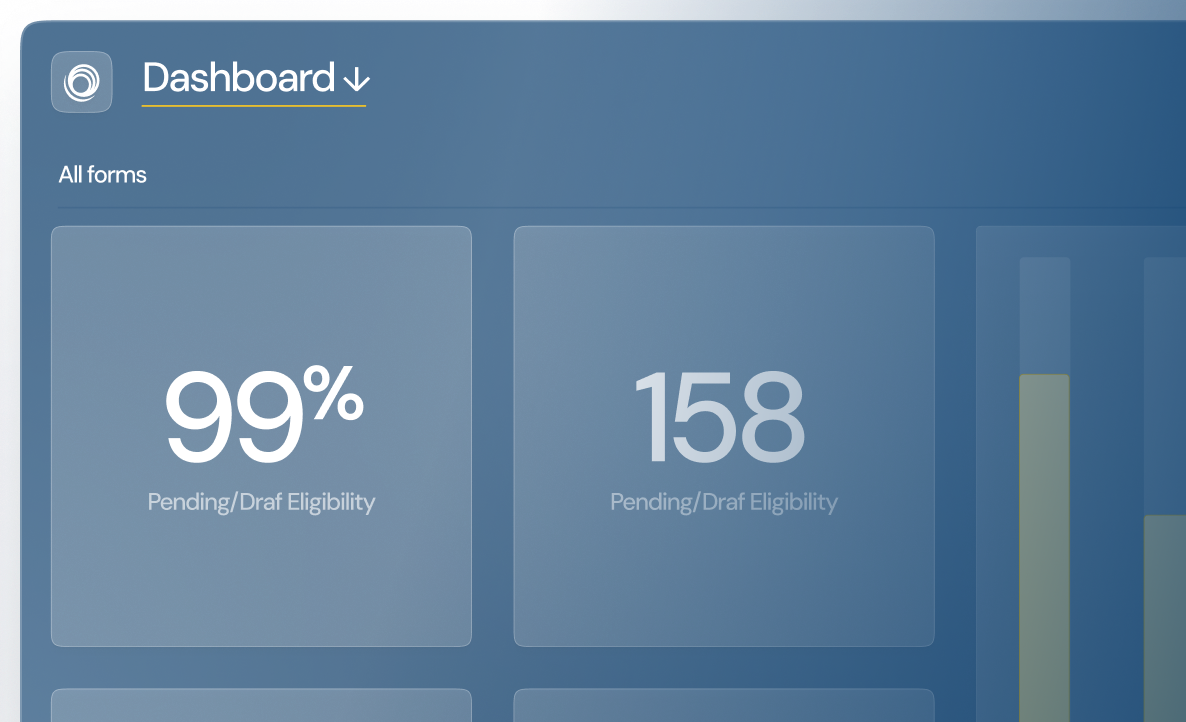
Want to see how this dashboard works?
Book a 15-minute demo and we'll show you the exact setup our client uses to track 15+ regional programs.