

About this Ebook
In 2025, Corporate Social Responsibility will evolve to address emerging challenges and higher stakeholder expectations. Our eBook, “Top 12 Social Impact Trends for 2025,” explores the trends and strategies that will define success, offering practical guidance for organizations looking to make a meaningful impact.
What You’ll Learn:
- How enhanced impact measurement can improve transparency and accountability.
- The role of technology, including AI and blockchain, in streamlining CSR efforts.
- Ways to engage employees to amplify social impact and improve retention.
- Strategies for addressing climate action and aligning with sustainability goals.
Featuring real-world examples and expert insights, this eBook is an essential resource for CSR professionals preparing for the future.
Download the eBook today!
Frequently Asked Questions

Other Ebooks
More practical guides for teams that run grant, sponsorship and volunteering programs and have to report on their impact. Pick the next one that fits your challenge.
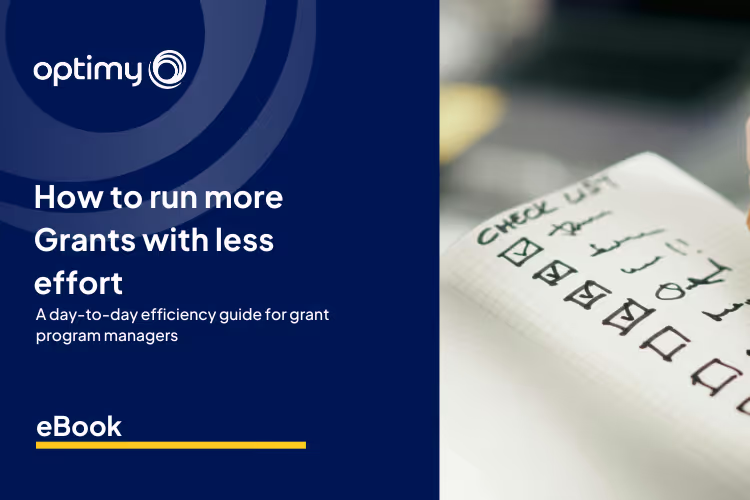
How to run more Grants with less effort
Learn how to gain operational efficiency in grant management by removing manual work, reducing rework, and building systems that scale without increasing cost or risk.
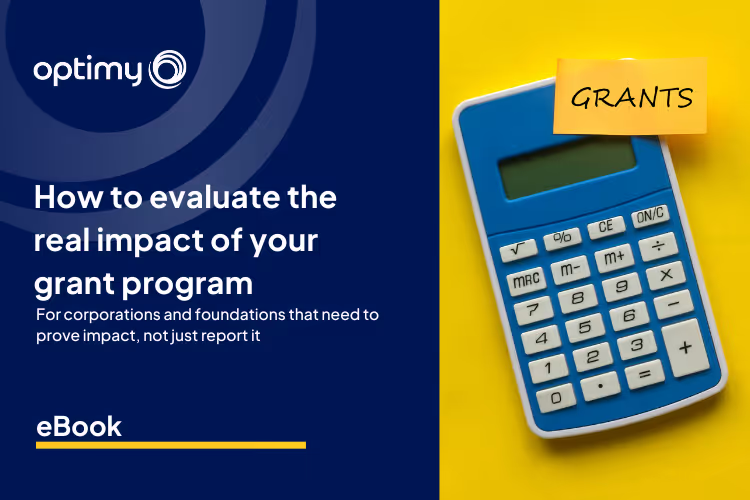
How to evaluate the real impact of your grant program
Learn how to evaluate the real impact of your grant program by embedding measurability, ROI logic, and decision-ready data into day-to-day operations.

Security & Compliance in Corporate Volunteering
Learn where security and compliance gaps emerge in corporate volunteering and how identity decisions determine exposure long before incidents occur.