Letter of Intent: the preliminary step that screens applications early

Definition

A letter of intent (LOI) is a short preliminary submission in which an applicant outlines a proposed project, allowing a funder to gauge fit before inviting a full proposal.

Using an LOI stage filters out unsuitable applications early, saving both applicants and reviewers the effort of a full submission that has little chance of success.

Research Grants
Published on
July 29, 2026
AI Summary
Summarize this page with AI

What is a letter of intent?

A letter of intent (LOI) is a short preliminary submission in which an applicant outlines a proposed project, allowing a funder to gauge fit before inviting a full proposal. It is typically a page or two, sketching the idea, its relevance to the program, and the rough scope.

The LOI is deliberately lightweight. Its purpose is not to make the full case for funding, but to give both sides a low-cost way to test whether a full application is even worth preparing, before anyone invests serious effort.

‍

Why do funders use a letter-of-intent stage?

The economics of research applications are the driving reason. Preparing a full research proposal can take an applicant weeks of work, and evidence consistently shows the great majority of the total cost of a funding round falls on applicants writing proposals, most of which will be declined.

An LOI stage filters that cost. By screening ideas for fit early, a funder saves unsuitable applicants the effort of a full submission with little chance of success, and saves its own reviewers from assessing proposals that were never a match, making the whole round more efficient.

‍

How is an LOI different from a call for proposals?

The two are easy to place once the direction is clear. A call for proposals is the funder's public invitation that opens a round; the LOI is the applicant's short response to it, submitted before a full proposal.

The call goes out from the funder to the field; the LOI comes back as an early, filtered expression of interest. One opens the opportunity, the other is the first lightweight step an applicant takes toward it.

‍

Running an LOI stage in a platform

A research grant management platform supports a two-stage process: applicants submit an LOI through a short form, reviewers screen for fit, and only invited applicants are opened up to submit a full proposal, keeping early filtering and full submission management in one connected flow.

Summary
FAQ

Frequently Asked Questions

What is a letter of intent?
icon lessicon less
What is the difference between an LOI and a full proposal?
icon lessicon less
Why do funders use a letter-of-intent stage?
icon lessicon less
How is an LOI different from a call for proposals?
icon lessicon less
Show more

Related terms

The newest terms we've added, the words teams managing grants, sponsorship, and CSR come across most often.

Grant Management

Request for Proposals (RFP)

A request for proposals (RFP) is a document a funder issues to invite applications for funding. It sets out what is available, who is eligible, how proposals will be evaluated, the required format, and the deadline.

Read the term
Grant Management

Application Form

An application form is the structured means by which a funder collects the information it needs from applicants, ideally with conditional logic, document uploads and built-in eligibility checks.

A well-designed form improves data quality, screens out ineligible requests early and makes every subsequent stage of evaluation faster and more consistent.

Read the term
Scholarships

Fellowship

A fellowship is a funded award supporting an individual to pursue study, research or professional development, often more substantial and longer than a standard scholarship.

Fellowships typically combine financial support with expectations around outputs or activities, so managing them blends scholarship selection with milestone and reporting tracking.

Read the term

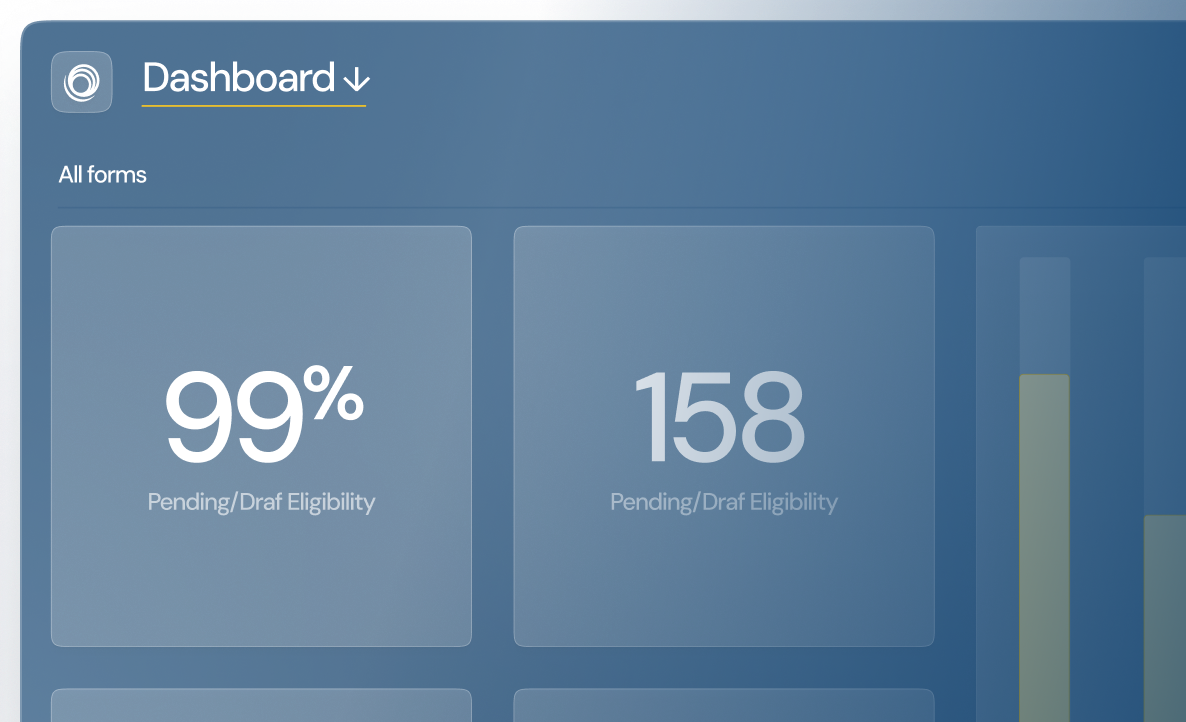
Want to see how this dashboard works?

Book a 15-minute demo and we'll show you the exact setup our client uses to track 15+ regional programs.
Optimy Dashboard mockup